
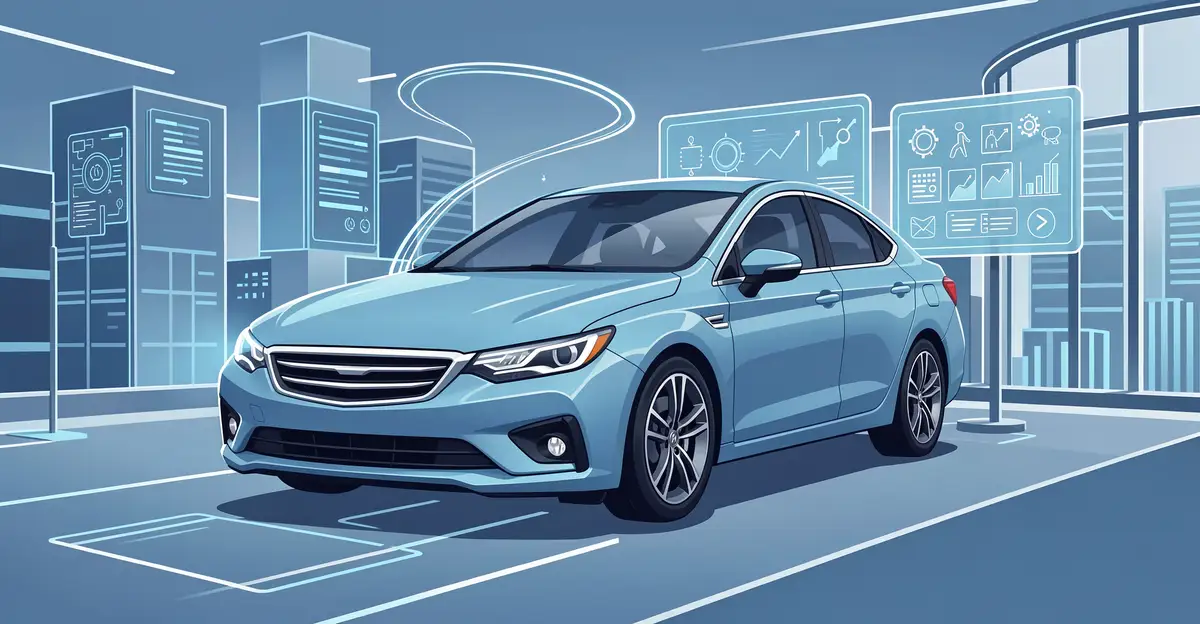
How technology is transforming the automotive industry is no longer a question of if, but how fast. From electric drivetrains and self-driving software to connected apps that diagnose problems before you notice them, today’s vehicles are becoming computers on wheels—and that shift affects every driver, buyer, and business.
In this guide, we break down the key innovations reshaping cars, safety, and ownership in plain language. You’ll learn what’s changing, why it matters, and how to stay ahead whether you’re buying, driving, or working in the auto world.
Introduction
Technology is reshaping nearly every aspect of modern life, and the automotive industry sits at the center of that transformation. From the moment you press a start button to the way your car communicates with traffic signals, software, sensors, and connectivity now influence how vehicles are designed, built, driven, and maintained. For everyday drivers, fleet managers, and anyone who depends on a car, understanding these changes is no longer optional — it is practical knowledge that affects safety, cost, and convenience.
This article explores how technology is transforming the automotive industry with clear, practical guidance. It covers electric powertrains, autonomous driving systems, connected-car features, software updates, and the supply-chain shifts that follow. More importantly, it explains what these changes mean for you, whether you are buying a vehicle, maintaining one, or simply trying to keep up with an industry moving faster than at any point in its history.
The pace can feel overwhelming, but the fundamentals are manageable. Once you understand the core concepts and how they connect, you can make informed decisions instead of reacting to marketing hype. Reliable information and consistent habits lead to better long-term outcomes — in vehicle ownership, in budgeting, and in safety.
Key Concepts
Before diving into specifics, it helps to map the main technological forces at work. Most changes in the automotive world flow from a handful of foundational ideas.
- Electrification: Replacing internal combustion engines with battery-electric or hybrid powertrains. This affects fuel costs, maintenance schedules, and charging infrastructure.
- Autonomy: Systems that range from driver assistance (lane keeping, adaptive cruise control) to fully self-driving capabilities. Levels 0 through 5 describe how much human input is required.
- Connectivity: Vehicles that communicate with the internet, other cars, and infrastructure. This enables real-time navigation, remote diagnostics, and over-the-air updates.
- Software-defined vehicles: Cars whose features are controlled by software that can be updated after purchase, rather than fixed at the factory.
- Advanced materials and manufacturing: Lightweight composites, 3D printing, and automated assembly lines that reduce weight, cost, and production time.
Understanding the fundamentals of how technology is transforming the automotive industry helps you make informed decisions. For example, knowing the difference between a hybrid and a plug-in hybrid changes how you calculate fuel savings. Knowing what “Level 2 autonomy” actually means prevents you from over-trusting a system that still requires your full attention.
Another key concept is the data layer. Modern vehicles generate enormous amounts of data — about driving patterns, battery health, and component wear. Automakers, insurers, and repair shops increasingly use this data to personalize services and predict failures before they happen. As a vehicle owner, you have a stake in who accesses that data and how it is used.
Deep Dive
Let’s examine the three areas changing fastest: electric vehicles, autonomous features, and the connected ecosystem. Each carries practical implications that go beyond the showroom.
Electric Vehicles and Charging
Electric vehicles (EVs) have moved from niche to mainstream. Battery costs have fallen dramatically over the past decade, and range has increased to the point where many models exceed 250 miles on a single charge. For most daily commuters, that is more than enough. The real variables are charging speed and access. Level 1 charging (a standard household outlet) adds only a few miles per hour. Level 2 charging (a 240-volt installation) can fully charge overnight. DC fast charging can add significant range in 20 to 30 minutes but is best used sparingly to preserve battery longevity.
Maintenance is another consideration. EVs have far fewer moving parts — no oil changes, no transmission fluid, fewer brake replacements thanks to regenerative braking. That lowers routine costs, though tire wear can be higher due to instant torque and added weight.
Autonomous and Assisted Driving
Full self-driving cars are not yet widely available, but advanced driver-assistance systems (ADAS) are common. Adaptive cruise control, automatic emergency braking, blind-spot monitoring, and lane centering are now standard on many mid-range vehicles. These features reduce fatigue and can prevent accidents, but they are not replacements for an attentive driver. Understanding their limits — in rain, at night, or on poorly marked roads — is essential for safe use.
The Connected Ecosystem
Connectivity turns a car into a rolling computer. Over-the-air updates can fix software bugs or add features without a dealership visit. Remote diagnostics can alert you to a problem before a warning light appears. Vehicle-to-everything (V2X) communication could eventually let cars “talk” to traffic lights and each other to reduce congestion and collisions. The trade-off is complexity: more software means more potential for glitches and more attention to cybersecurity.
Best Practices
Whether you are buying, owning, or managing vehicles, a few habits help you get the most from automotive technology while avoiding common pitfalls.
- Match technology to your actual needs. Do not pay for full self-driving hardware if you rarely use highway assist. Do not buy a long-range EV if you charge at home and drive 30 miles a day.
- Read the manual for ADAS features. Every system has specific conditions where it works best. Knowing them prevents over-reliance.
- Keep software updated. Apply over-the-air updates promptly; they often include safety and security patches.
- Plan charging around your routine. For EV owners, charging at home overnight is usually cheapest and most convenient. Use fast chargers mainly for road trips.
- Protect your data. Review privacy settings in your vehicle’s infotainment system and understand what data is shared with manufacturers or third parties.
- Budget for technology-related costs. Sensors, cameras, and complex electronics can be expensive to repair. Consider extended warranties or insurance riders if your vehicle is heavily equipped.
Reliable information and consistent habits lead to better long-term outcomes. Staying current with recalls, software notices, and maintenance schedules for high-tech components is just as important as changing oil was in the past.
Step-by-Step Guide to Adapting to Automotive Technology
If you want a structured way to make sense of these changes — whether for personal vehicle ownership or fleet decisions — follow these steps.
Step 1: Understand the fundamentals
Start by learning the basic vocabulary: kilowatt-hours, charging levels, autonomy levels, and over-the-air updates. You do not need to be an engineer, but you should be able to distinguish between marketing terms and technical reality. Read reputable reviews, manufacturer specifications, and independent testing reports. This foundation lets you ask better questions and avoid costly misunderstandings.

Step 2: Assess your starting point
Evaluate your current situation honestly. How many miles do you drive daily? Do you have off-street parking for charging? What advanced features does your current vehicle have, and do you use them? What is your budget for purchase, fuel or electricity, insurance, and maintenance? For a business, assess fleet age, routes, and total cost of ownership. A clear baseline reveals which technologies offer real value and which are unnecessary.
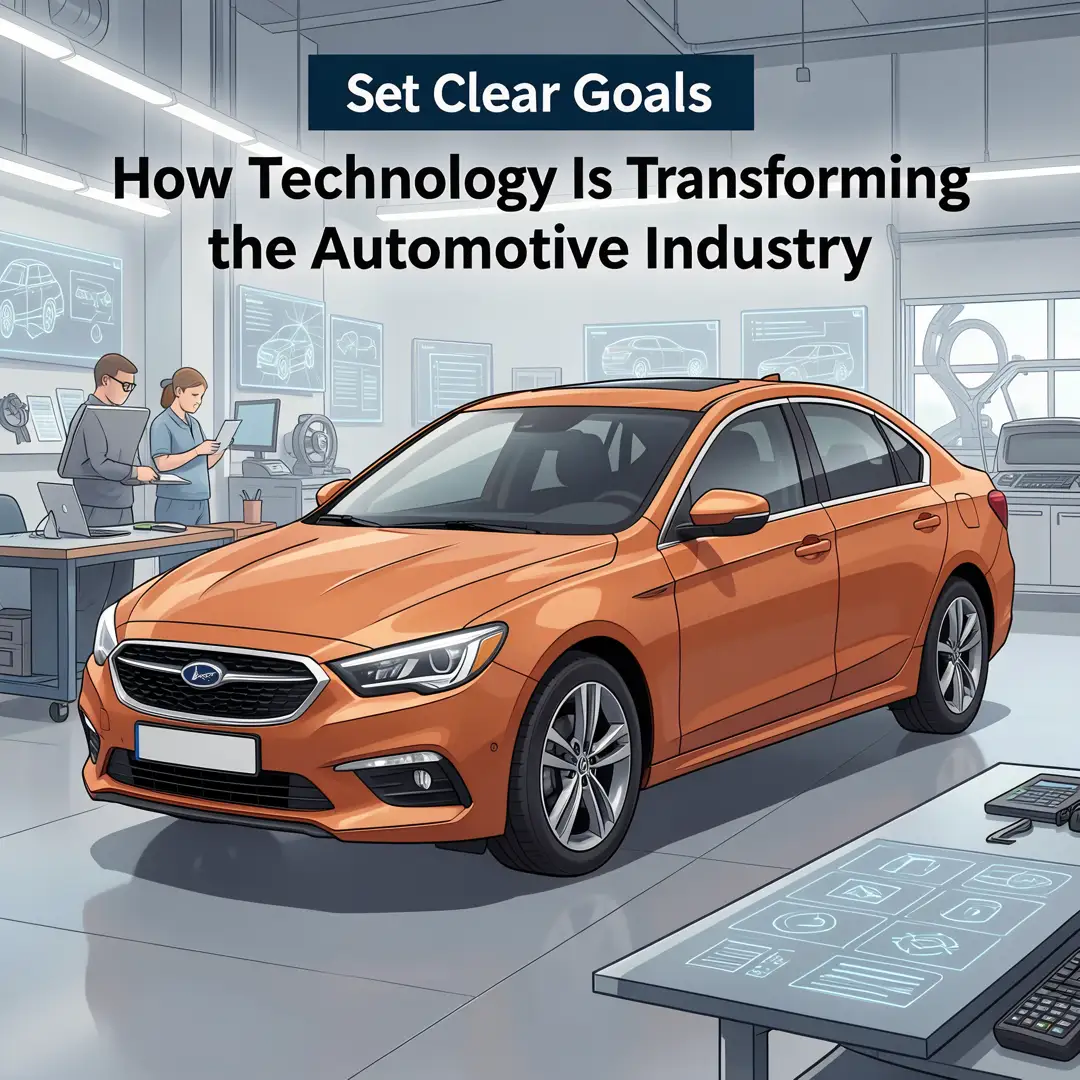
Step 3: Set clear goals
Define what you want technology to achieve for you. Common goals include lowering fuel or energy costs, improving safety, reducing maintenance downtime, or future-proofing a purchase. Make goals specific and measurable — for example, “reduce monthly fuel spend by 30 percent” or “add a vehicle with automatic emergency braking within two years.” Clear goals keep you focused when comparing options.
Step 4: Gather necessary resources
Collect the tools and information you need: comparison sites, government fuel-economy databases, charging-station maps, insurance quotes, and local incentives for electric vehicles. If you manage a fleet, consult telematics providers and review total-cost-of-ownership calculators. Talk to owners of the models you are considering. Reliable data beats anecdote every time.
Step 5: Apply the core methods
Put your plan into action. If buying, test-drive the specific technology features, not just the car. Try adaptive cruise control in traffic; test the infotainment system with your phone. If you already own a tech-equipped vehicle, set up driver profiles, customize safety alerts, and schedule charging or updates at convenient times. For fleets, pilot new technology on a small number of vehicles before rolling it out broadly. Applying methods gradually reduces risk and builds confidence.
Step 6: Monitor your progress
Track results against your goals. Monitor fuel or electricity costs, maintenance records, and safety incidents. Use your vehicle’s app or a simple spreadsheet. Review quarterly: Are you saving what you expected? Are the advanced features actually being used? Adjust as needed. Technology changes quickly, so what worked two years ago may need revisiting. Consistent monitoring turns a one-time decision into an ongoing improvement process.
FAQ
What should I know about How Technology Is Transforming the Automotive Industry?
The most important takeaway is that technology now affects nearly every ownership decision — cost, safety, maintenance, and resale value. Electrification lowers fuel and routine maintenance costs but requires planning for charging. Autonomous features improve safety when used correctly but demand driver attention. Connectivity adds convenience and updateability but raises privacy and cybersecurity considerations. You do not need to master every detail, but understanding the basics helps you avoid overspending and underusing features.
Also recognize that change is continuous. A vehicle bought today may gain features through software updates next year. Staying informed through reputable sources and reading your owner’s manual — especially the sections on driver-assistance systems — is the simplest way to keep pace.
Who is this guide for?
This guide is for anyone who wants a clear, practical overview of automotive technology without jargon. That includes everyday drivers considering a new or used car, current owners trying to make sense of advanced features, and small-business or fleet managers evaluating total cost of ownership. It is also useful for students, journalists, and professionals in adjacent fields who need a reliable baseline. No technical background is required — just an interest in making informed decisions.
Conclusion
Technology is transforming the automotive industry at a pace not seen since the assembly line. Electrification, autonomy, connectivity, and software-defined vehicles are changing how cars are built, driven, and maintained. For you, the opportunity is practical: lower costs, better safety, and more convenience — if you understand the fundamentals and apply them thoughtfully. By following the step-by-step approach outlined above, you can assess your needs, set clear goals, gather reliable information, and monitor results over time. Reliable information and consistent habits.
You now have a solid foundation for How Technology Is Transforming the Automotive Industry. Apply the best practices above and revisit this guide as your needs evolve.